
Now is the time to re-herd livestock. With the disadvantages of the external environment and the current raging epidemic, in addition to care techniques, farmers also need to know how to use vaccines to prevent diseases.
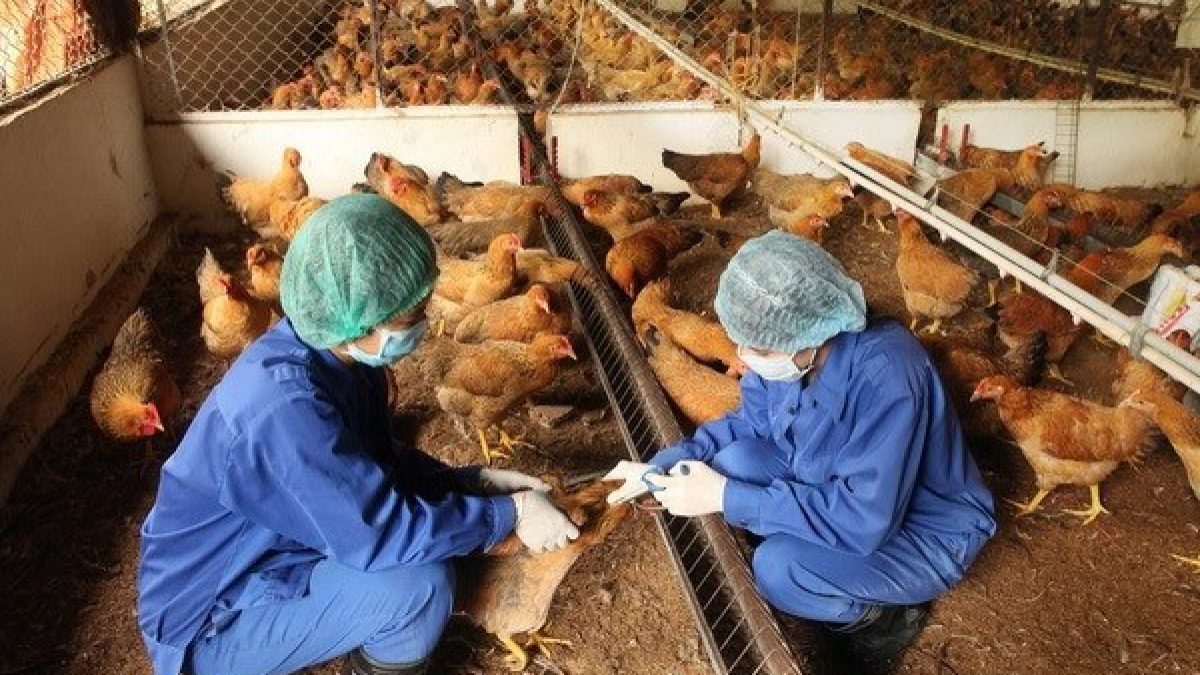
Vaccines are antigenic preparations used to create specific active immunity, to increase the body's resistance to certain pathogens. The use of vaccines to prevent diseases in animals is collectively known as vaccination.
There are two main types of vaccines: live vaccines (attenuated vaccines) and dead vaccines (inactivated vaccines). Live attenuated vaccines are microorganisms grown under special conditions to reduce their virulence. Live vaccines are more immunogenic than inactivated vaccines.
Live vaccines usually induce early immunity (3–4 days after vaccination) with a relatively long duration of immunity. But these vaccines, when used, are prone to reactions, require low storage temperatures, can spread atypical diseases or give rise to other diseases after injection.
Dead vaccines are harmful microorganisms that are killed by chemicals or heat. Most of these vaccines provide only partial and short-term immunity, requiring multiple booster shots. It is a safe, stable and easy to use vaccine, but the potency is often poor and the duration of use is short.
After vaccination, pets may experience reactions due to vaccine additives, injected into the infected body or injected deep into the muscle. Local reactions at the injection site are swelling, heat, pain… after a while this reaction will disappear. If there is a local reaction, it should be treated by applying hot water at the injection site.
If the injection site is infected with a pus-filled abscess, it must be treated with antibiotics. Vaccination can also cause an allergic reaction (a reaction that occurs quickly after the injection). Pets exhibit fever, shivering, vomiting, shortness of breath, skin rash (common in pigs). If the reaction is mild, it will go away after a while, if the reaction is severe, the animal may die.
To avoid severe reactions, attention must be paid to the dose of injection and the animal's condition. When there is an allergic phenomenon, it is recommended to use anti-allergic drugs such as Epharin, Adrenalin.
Vaccination is mainly used for disease prevention and after a certain period of time the animals will be able to develop auto-immunity. Therefore, when vaccinating, it is necessary to adhere to the following principles:
Vaccination subjects: Annual vaccination is carried out for areas with old outbreaks and areas with many seasonal infectious diseases. In places where there is no epidemic, only dead vaccines should be used. It is recommended to use vaccines for pets when they are newly imported and to vaccinate animals on schedule when the breeder determines what animals to raise. Vaccines against any disease usually only prevent that disease, not other diseases.
– Vaccine efficacy: The health status of the animal will affect the effectiveness of the vaccine. Vaccinate only when pets are in good health because then they have a high immune response. Do not vaccinate animals that are incubating, those who are too thin, too young, new mothers, those who are under stress, pregnant pets, newly castrated pets that have not yet healed, moved cages, dewormed. , began to change the diet.
- Duration of vaccine effect: After vaccination, the body will create immunity after 2-3 weeks. During that time, animals do not have full immunity, so they can still get sick and develop disease. This phenomenon can lead to misconceptions that vaccines are not effective. Vaccines cause reactions or vaccines cause disease. Dose of vaccine: It is necessary to use the vaccine (for oral, eye drops or injection) exactly as directed by the manufacturer. If used lower than the prescribed dose will reduce the effectiveness of the vaccine. Higher doses can paralyze the immune system or cause side effects.
– Check the vaccine vial: Before using any vaccine vial, it is necessary to check the following details: Information on the label (this detail needs to be recorded in the book to track if there is a problem when using), name vaccine (whether it is suitable for use), batch number, number of doses used, production date, shelf life, storage specifications.
On the other hand, it is necessary to check whether the stopper of the vial is tight or loose, intact or torn, the condition of the outer tin coating, the glass vial is cracked, the condition of the medicine in the vial (is the color normal, the vaccine is not). Is there a lump, is there a foreign object in the vial such as coal dust, insects, cotton fibers, does the vaccine form a homogenous solution when shaking the vaccine vial?).
– Manipulation when using vaccines: Sterilize tools used to prepare vaccines by steaming or boiling, then washing with clean water (cooled boiled water). Do not wash with disinfectant. Disinfect the hands of the operator, the injected skin area, the rubber stopper of the bottle containing the sterile vaccine with alcohol 70 degrees.
– Store vaccines in the refrigerator: For attenuated vaccines prepared from viruses, they must be stored at low temperature (-15°C) during storage and transportation, but if in the freeze-dried state, they should be stored at a low temperature. Store refrigerated at 1 – 4°C (freezer compartment).
When taking the vaccine, put the vaccine in an airtight container, keep it cold with ice for preservation. Expired vaccines must be destroyed. Any leftover vaccines should be destroyed in designated places, not indiscriminately disposed of, especially live vaccines, so as not to create complicated mutations for disease prevention in the future.
* Note: During vaccination, it is necessary to avoid sunlight because it can damage vaccines (especially live vaccines).



 Lot 22 – Block B4, Dong An Residential Area, Tan Dong Hiep Ward, Ho Chi Minh City, Vietnam
 (0274) 377 66 11
 ada@adabiotechvn.com
 adabiotechvn.com


