
Causes of diarrhea in pigs
Diarrhea is the most common disease in Pigs, especially piglets and piglets. The disease directly affects the yield and quality of the herd. Not only that, it also causes unhygienic barns, creating conditions for other pathogens to develop.
In order to completely treat the disease, it is first necessary to understand the cause of the disease. The following are the main causes of diarrhea in pigs that farmers need to understand:
Direct cause
Insecure feed sources, bacteria, viruses and parasites are the 4 direct causes of diarrhea in pigs.
Food
– Piglets lack milk, not enough food.
- Using foods with poor digestion, unbalanced nutrition. Food contains a lot of salt and fiber. Food deficiency of Vitamin B1, Vitamin B2 is also the cause of the disease.
– Pigs with food allergies such as soy, Histamine found in fish meal, Protein ..
Food contains toxins and molds.
- Food containing pesticides, chemicals and preservatives.
Bacteria
There are several types of bacteria that are the main cause of diarrhea in pigs such as:
– E. Coli.
- Clostridium Perfringens.
- Clostridium difficile.
- Brachyspira Hyodysenteriae.
- Salmonella...
Virus
Swine virus attack is also the cause of diarrhea. Some popular types are:
– Diarrhea virus, PED.
- Swine fever virus.
- Rotavirus.
- Rabies virus.
Parasites
Pigs infected with coccidiosis and other parasites will damage the intestines and cause diarrhea.
Indirect causes
In addition to the above direct causes, some indirect causes lead to diarrhea such as:
Breeding barn
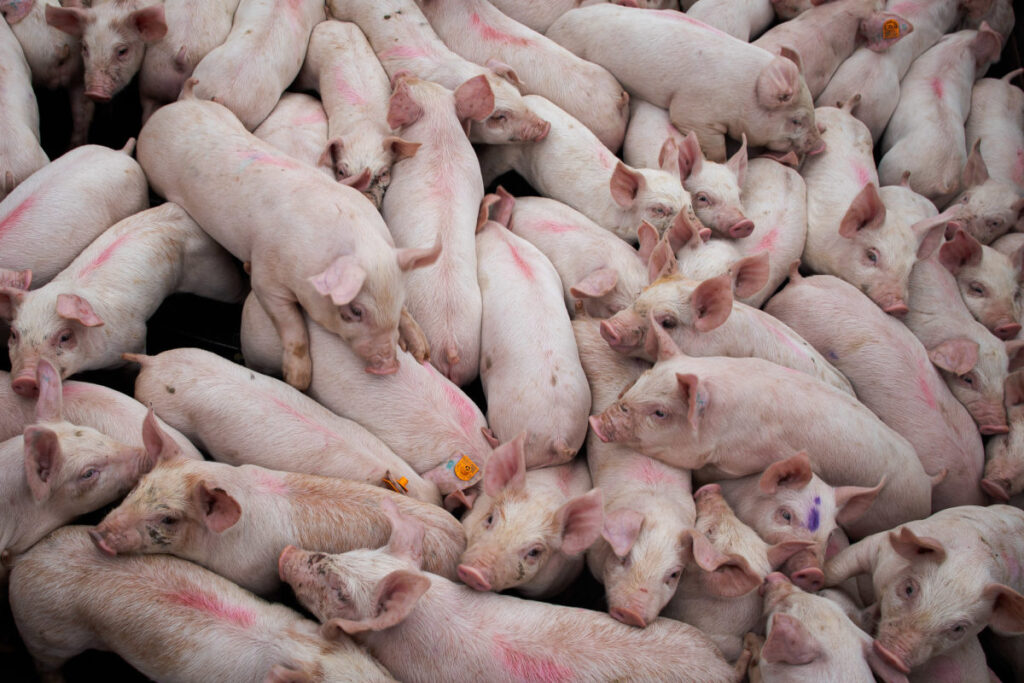
Crowded cages, tight seals, high humidity, and lack of light also increase the risk of disease. Therefore, it is necessary to design the cage with ventilation and light to prevent disease.
Seed
According to research, purebred pigs are more susceptible to diseases than hybrid pigs. Therefore, if livestock is small and imported domestic breeds, pigs are more susceptible to diseases.
Ages
Diarrhea is not present at all ages of pigs. Piglets under 2 months of age are more susceptible to infection because their digestive system has not yet completed. In adult herds, the incidence of the disease is relatively low.



 Lot 22 – Block B4, Dong An Residential Area, Tan Dong Hiep Ward, Ho Chi Minh City, Vietnam
 (0274) 377 66 11
 ada@adabiotechvn.com
 adabiotechvn.com


